
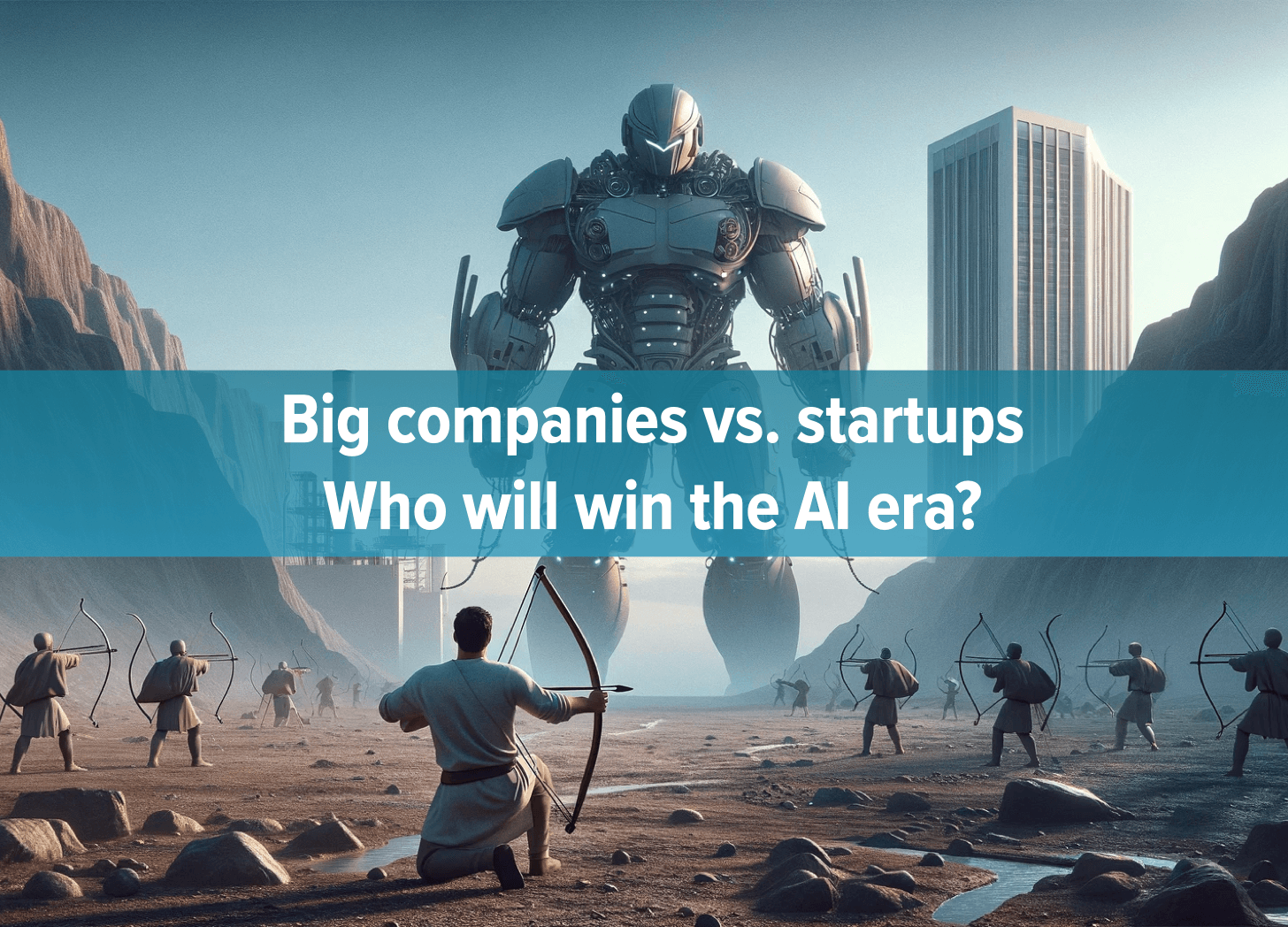
By now, it’s clear: we’re at the beginning of a major platform shift. The last big platform shifts—the Internet and mobile—created fertile ground for companies like Google, Amazon, Spotify, and Uber to capitalize on disruptive change.
So, $50 billion went into AI last year, anticipating a wave of successful startups that would disrupt incumbents. But big companies seem to be reaping the benefits of AI, while many startups are struggling to turn hype-induced user acquisition into retained customers.
What this essay explores
- Distinguish technological shifts from distribution shifts, and see why major platform changes require both.
- Understand the addition and subtraction behind Clayton Christensen’s idea of disruptive innovation.
- Recognize how loss aversion keeps companies tied to businesses even when change is clear.
- Assess why AI may improve established products rather than disrupt incumbents.
- Account for data, model resources, and distribution advantages when shaping an AI startup strategy.
AI strengthens incumbents when it can be layered onto their existing products and distribution.
Key takeaway
Conventional wisdom says so. But, maybe not.